
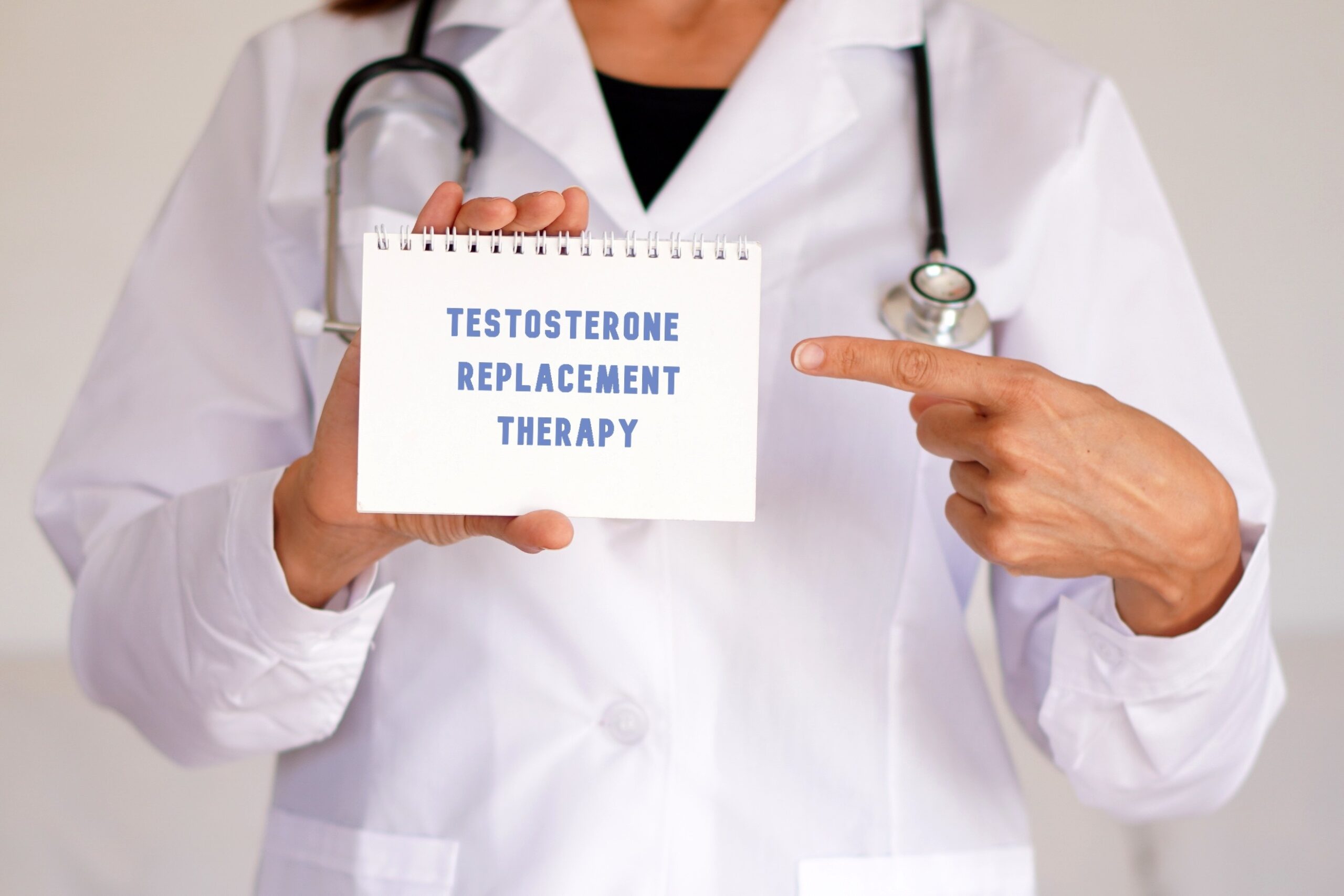
Erectile dysfunction is the problem that men fear especially when their partner wants them to perform well in bed. However, most men think that if low testosterone is the cause of their ED, then, testosterone therapy can improve ED. But is it true? Learn how testosterone is linked to ED and whether you can consider TRT for ED as a treatment or not in this article. For professional advice on Men’s Health Use MaleFlows to take charge of your health.
How is testosterone linked to ED?
Testosterone is essential in maintaining sexual function in men because it helps in developing and maintaining the male sex organs and regulates libido or sexual desire. Additionally, it also helps in achieving and maintaining an erection.
Now, if you have low testosterone, it can lead to erectile dysfunction along with other physical, mental, and sexual symptoms. Here are some symptoms you can experience with low testosterone:
- Decreased muscle mass
- Loss of body hair
- Feeling fatigue most of the time
- Depression and anxiety
- Obesity
- Poor concentration and memory
- Low bone density
- Lowered sexual desire
- Fewer sex-related erections
- Fewer spontaneous erections (such as having an erection as you wake up in the morning).
Low testosterone can impair the ability to achieve and maintain an erection. Researchers have also found that your testosterone levels affect your sexual fantasies and even daydreaming. This means a lack of testosterone may affect your ability to masturbate, as you’re not able to create your sexual fantasies or desire to do so.
Testosterone affects your erections on 2 levels in your body. In the first level, it stimulates your central nervous system (CNS) to release neurotransmitters (or your brain’s chemical messengers like dopamine, nitric oxide, and oxytocin) to help you achieve an erection. In the second level, it stimulates your spinal nerves to cause changes in the blood vessels to help you achieve and keep an erection. However, it’s not the only factor that happens in sexual activity. Your testosterone levels and their effect on ED are like a dose-dependent relationship, which means unless your testosterone levels are deficient, you won’t see a lot of sexual changes related to low testosterone.
However, people with low testosterone also have other chronic medical conditions like heart disease, high blood pressure, and diabetes mellitus. These disorders also lead to ED because they affect your blood flow and sensation. However, these conditions don’t affect your sexual desire as significantly as low testosterone does.
If you have very high testosterone levels naturally, it won’t cause erectile dysfunction, however, it may cause some erectile difficulties, which you can speak with your doctor about. But those who take testosterone illicitly, especially for bodybuilding may experience ED and other symptoms as well. It can happen because excess testosterone can turn into estrogen regardless of sex and the rise of estrogen may further contribute to ED.
Is TRT right for you?
TRT can be useful for men with ED who have low testosterone because it can improve their sexual function and libido. TRT is also used for men who don’t respond well to other treatments for ED, such as lifestyle changes or medication.
However, it is not recommended for all men with ED because certain factors influence a man’s suitability for TRT including his age, health status, and other medications he may be taking. TRT is generally recommended for men with low testosterone levels, which is measured by a blood test. A man with a testosterone level below 300 ng/dL may be a candidate for TRT. However, the decision to prescribe TRT depends on the comprehensive evaluation of the man’s symptoms, health status, and medical history.
Age is also important in determining a man’s suitability for TRT. TRT is not recommended for men under 30, as testosterone levels naturally fluctuate during that time. Additionally, older men are not more prone to specific side effects of TRT, such as prostate enlargement and cardiovascular disease.
Men with certain health conditions, such as prostate or breast cancer, may not be good candidates for TRT. Additionally, men taking certain medications such as blood thinners or corticosteroids, may not be able to take TRT safely. That’s why you need to discuss your medical history and medications with your doctor before considering TRT treatment for ED.
Ways TRT can improve ED
TRT is an effective way to improve ED and replenish your testosterone supply. Your testosterone levels also affect how you feel, look, and even think, so using TRT can handle your imbalance and kick your sex life back into full gear. It can improve your sex life in many ways, including:
- More testosterone means a higher sex drive, which keeps you in the mood more often, which is important for your sex life.
- Since TRT contributes to your healthier sex drive, you also feel an improvement in erectile function. Erections are easier to achieve and sustain, which improves your performance.
- Restoring normal testosterone levels always puts you in a better mood, so don’t be surprised if your attitude toward sex changes significantly.
- When you have enough testosterone, it’s easier to kick that beer belly back into shape. You feel more confident with more energy, which is a good thing in the bedroom.
- Adequate T levels also mean better sleep and less fatigue; you have the energy to spend more time in bed with your partner.
Testosterone therapy for erectile dysfunction is a good option for you if you have low testosterone levels and you’re eligible for TRT. It not only improves ED but also improves your energy levels, mood, body mass, etc. However, it is not recommended for all men with low testosterone levels to treat ED because it can increase the risk of severe conditions in certain men. So, first, you should take a proper comprehensive test and then discuss with your doctor whether you’re qualified for TRT or not.
If you want to know whether you’re eligible for TRT or not for ED, visit our clinic in Brooklyn to get professional medical diagnosis and treatment. Our team of medical experts at MaleFlows is committed to assisting you in reaching your wellbeing objectives. We are here to help you at any stage, whether it be with sexual health, mental clarity, or general well-being. We are available to answer your inquiries and give you the information you require. Please use the following methods to contact us:
Telephone: +1 855-635-6955
Address: 1797 Pitkin Avenue, Brooklyn, NY 11212.

